
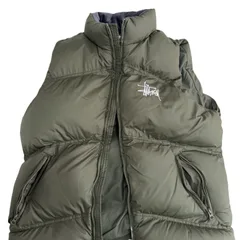
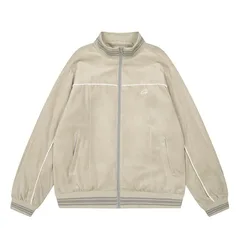
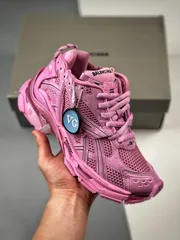
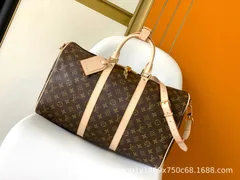
LitBuy Spreadsheet
What is LitBuy and how do you order?
LitBuy is a shopping-agent platform used to place product orders, review items at the warehouse and arrange international delivery. This independent spreadsheet helps you discover products and keep each link, option and question together. Complete account, payment and parcel actions on LitBuy.
A LitBuy spreadsheet brings product leads into a browsable collection. The useful part is being able to turn a result into a clear choice: which item, which option and what you still need to know. A long list is not much help if each click leaves you starting the selection again.
Begin with OG tops, headwear or shoes. Shopping destinations on this site open OG. These guides help you compare the candidates and understand the purchasing steps around them.
What LitBuy does, and where a spreadsheet fits
LitBuy describes purchasing and forwarding services, including warehouse inspection photographs and combining goods for onward delivery. A purchase may therefore involve a seller-to-warehouse movement followed by a separate international parcel.
The spreadsheet is the discovery part of that process. It does not select a size for you or establish the final delivery charge. Product options, payment details and parcel conditions need to be read at the stage where they apply.
If you arrived by searching “Lit Buy spreadsheet”, the same distinction applies: the collection helps locate an item; the later order has its own decisions.
If your search used “Libuy”, resolve the intended name and address before entering account information. LitBuy's notice-page footer presents the name LITBUY LIMITED. That is a statement on the page, not an independent company-register check or evidence of how a particular order will turn out.
Start with something you will actually use
Suppose you want a top and a cap for everyday wear. This white long-sleeve top and this black baseball cap are specific product leads, not a verified bundle.
For the top, compare its body and sleeve measurements with a garment you like wearing. For the cap, look at the selected size or adjustment information and the shape you want. A picture showing the two together would not answer either fit question.
Keep a short note beside each link:
- The exact version you are considering.
- The use it must suit.
- The measurement or included detail still needing confirmation.
- The reason to keep it rather than another candidate.
The size guide and headwear guide make those checks more specific.
Use the right guide for the next decision
| Your question | Where to continue |
|---|---|
| Which collection is worth browsing? | Best LitBuy spreadsheet |
| Can I find the same item again? | Spreadsheet links |
| What happens after I select it? | Buying guide |
| What does a recommendation really demonstrate? | Spreadsheet review |
| What should I check before committing? | Safety guide |
This overview connects the steps. The detailed pages handle different questions so that a product-selection issue does not get confused with a payment or shipping issue.
Understand the order beyond the product price
First choose the item and option. Read what the goods payment covers, including any separately stated local delivery charge. When warehouse information is available, match it to the order and use QC guidance for visible details that matter.
Only then compare an international parcel using its actual contents, packing, dimensions, weight and destination. The shipping guide explains why a product's small thumbnail or low price cannot establish its delivered total.
If you change only the cap colour, reconsider that option. If you add another item to the parcel, reconsider the affected shipping inputs. Keep useful decisions instead of restarting the entire plan.
Can I use an archive spreadsheet?
An archive can help recover an older product name or design. Reopen the current listing and check the option and amount again. An old saved row is not a current stock or price promise.
Can I search by image?
Use the image-search entry point on OG search to find possible matches. Then inspect the actual product and version. A similar image is a lead, not a completed fit or quality assessment.
Compare the entries you save
The best LitBuy spreadsheet for your purpose should make it easier to identify suitable products and harder to confuse similar ones. Its size, design or enthusiastic label is less important than what happens when you try to use it.
Test a collection with an item you understand before making it your main discovery resource. A top you need for everyday wear is a better test than scrolling through hundreds of unrelated favourites.
Run a simple product test
Choose a category and find a candidate. In OG tops, you might open this white long-sleeve listing.
Can you tell which garment the link identifies? Can you locate the current size or version information? Does the row distinguish an observed product detail from an assumption? If the collection makes those questions difficult, a larger number of rows will not fix the basic problem.
Do not treat this example as a test purchase. Use the current listing to establish the option you would actually consider.
Compare collections using the same need
A collection organised around footwear may be convenient for shoe discovery, while another might make clothing categories easier to browse. That difference is useful only in relation to what you are looking for.
Compare the same product type in each collection:
| Check | A useful result | A reason to investigate |
|---|---|---|
| Identification | A recognisable item linked to a specific listing | A generic image or category labelled as one product |
| Option clarity | The chosen version can be checked on the destination | A low starting price without clear contents |
| Organisation | Relevant categories help narrow the search | Many repeated entries with little distinction |
| Maintenance | A changed destination is recognisable | An old description is presented as current |
| Next step | The collection leads to a usable selection | Promotional wording replaces the missing detail |
A new date printed on a page is not proof that every row was checked. Reopening a sample destination tells you more about that particular lead.
Check that comparisons are genuinely equivalent
If one row concerns a single top and another a set, compare the included pieces before the prices. If the sizes come from different charts, do not call the items equivalent because both show “M”.
An archive may still be valuable for recognising a design, but its old price should not decide between today's options. Keep the link guidance close when a row has moved or changed.
Likewise, a familiar brand name is not evidence of origin or material. A useful collection helps you ask a better product question rather than asking you to accept a blanket quality claim.
Keep a few useful sources of discovery, not endless duplicate lists
You can use more than one collection when each adds a meaningful choice. Save the actual product addresses in one shortlist so that repeated appearances of the same image do not look like independent recommendations.
Remove candidates that fail a requirement. If you need a particular sleeve length, another appealing photograph does not resolve the missing measurement. The size guide explains how to compare it with something you already wear.
For recommendations, use the spreadsheet review guide to distinguish browsing observations from an order experience. Once a candidate is clear, continue through the buying guide.
Is the biggest spreadsheet automatically best?
No. A smaller collection can be more useful if it makes relevant items identifiable and easy to compare. Count usable choices, not just rows.
Does a working link prove the recommendation?
It demonstrates that you can reach a destination at that moment. You still need to check that its product, option and current information support the recommendation.
Should I abandon a collection after one broken link?
One failure does not establish the state of every entry. Try the normal recovery route, inspect a few relevant leads and judge whether the collection remains useful for your actual shopping task.